
Introduction
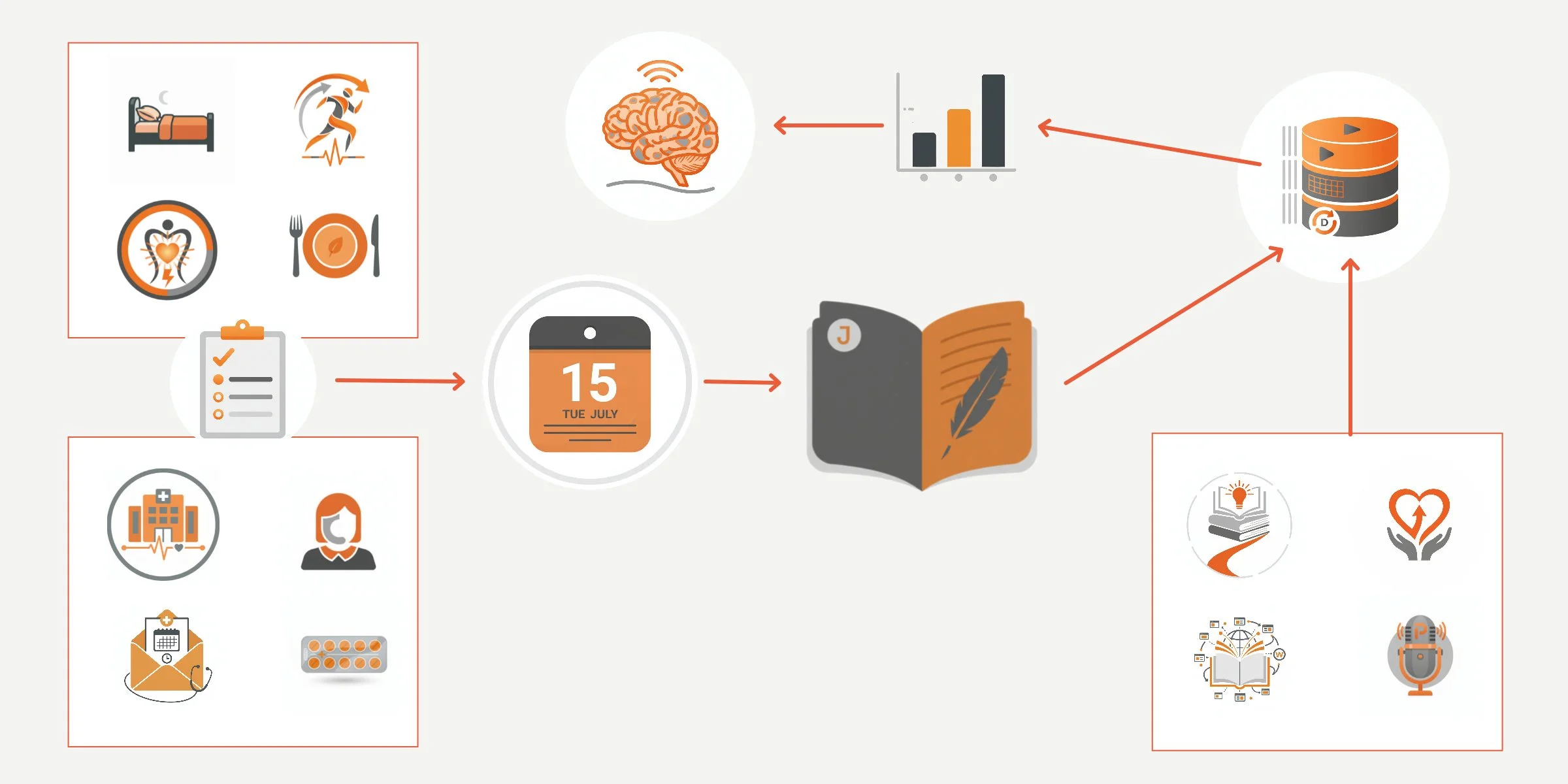
Welcome to the Connected Health Journal
This resource has been designed to help you create a single, organised location for managing information in relation to your health, wellbeing and recovery.
I found from personal experience, that information become scattered across notebooks, the NHS app, texts, emails, hospital letters, websites, books and conversations.
Aardelia’s digital products are designed to keep inputs as simple as possible while creating a hub of information. Views and search enable retrieval and meaningful reflection of health markers.
Designed for those living with and managing an ongoing health condition, but equally useful for family member / carer.
The system could easily be adopted by anyone wishing to monitor daily markers and organise information and contacts.
This guide will help you get started and remember, this is your system, use whichever functions are useful to you.
Functions or elements of the system include, but are not limited too:
Daily wellbeing tracking
Medications
Contacts
Appointments
Healthcare correspondence
Nutrition monitoring
Creating an information bank
Over time, your Connected Health Journal can grow into a personalised health hub that reflects your own circumstances and priorities.
Recommended Reading Order
The following posts are arranged in order of recommend viewing.
1) Aardelia’s Software Choices

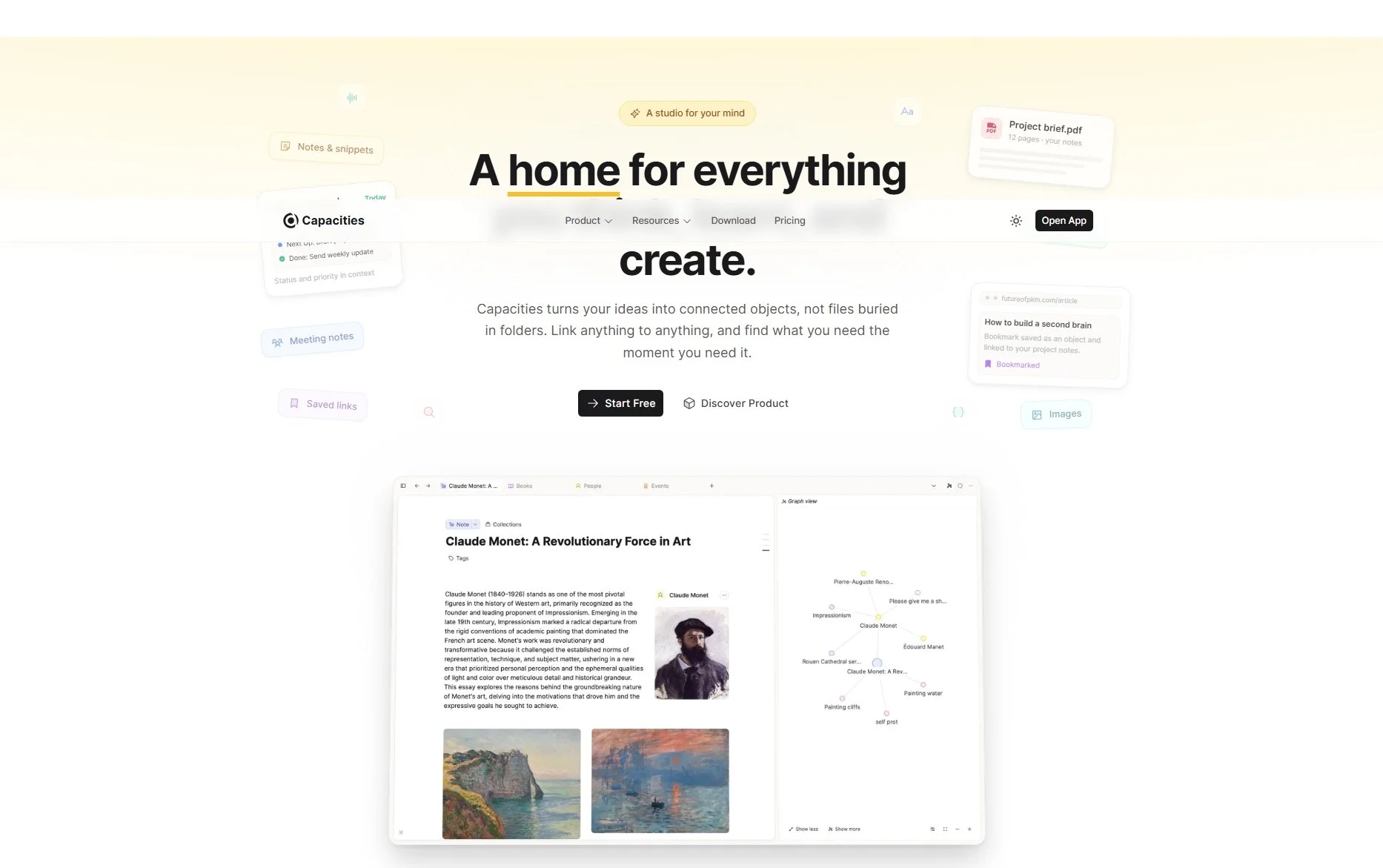
2) Capacities
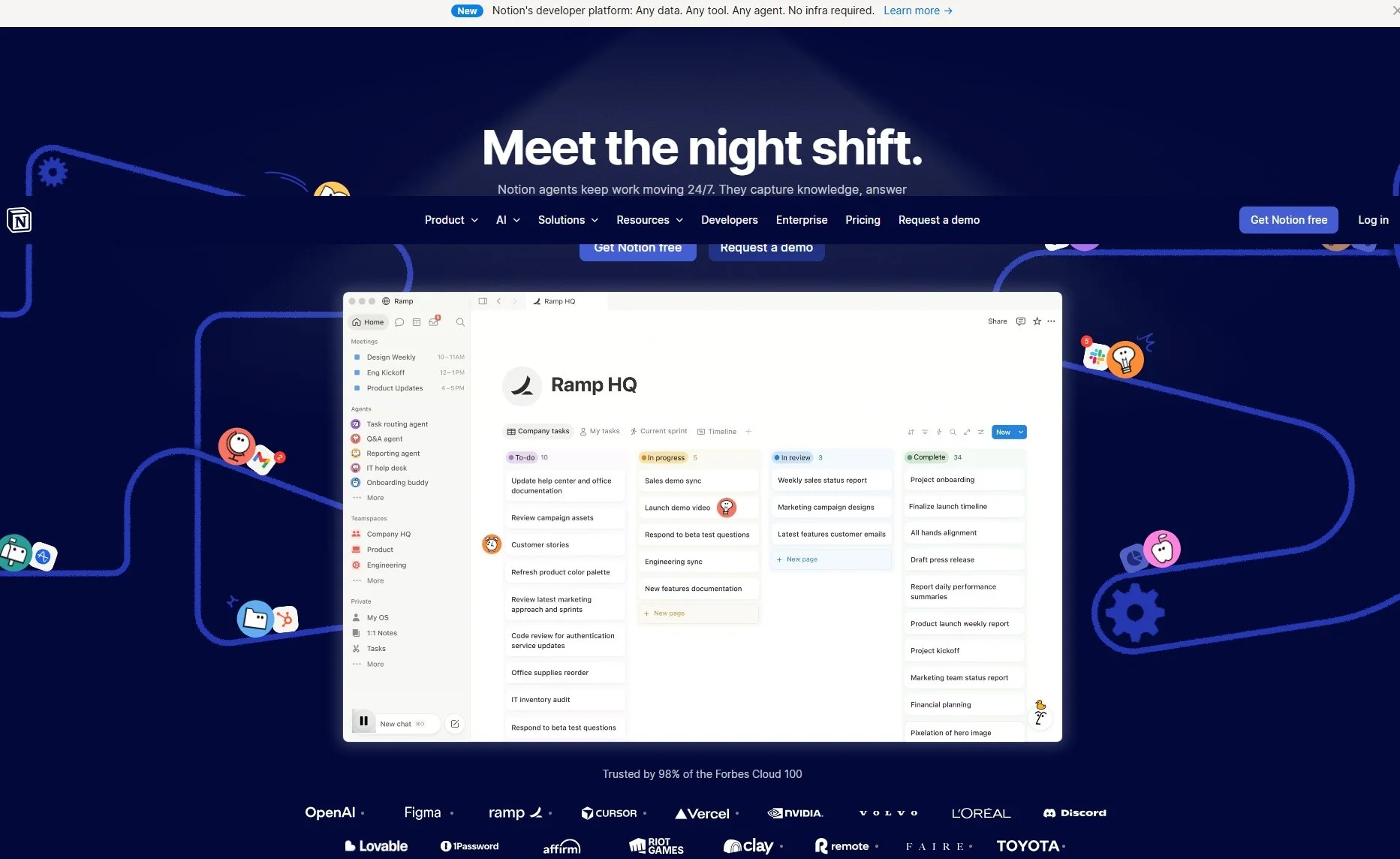
3) Notion
4) Capacities Blueprint

5) Notion Template

6) Understanding Nutrition Data

7) UK Support & Charity Resources

8) Nutrition Reference Tables
A collection of nutritional reference guides organised by food group, including vegetables, fruits, proteins, grains, dairy products, and other categories.
These tables are intended to support informed food choices and help identify foods that may be beneficial for specific dietary goals or nutritional requirements.
To view available groups, return to the Connected Hub overview page
Getting the Most from This Resource
You do not need to implement everything at once.
Many users find it helpful to start with a small number of areas such as:
Medications
Appointments
Healthcare correspondence
Daily wellbeing tracking
Nutrition monitoring
Over time, your Connected Health Journal can grow into a personalised health hub that reflects your own circumstances and priorities.
We hope this resource helps you build a clearer picture of your health, supports informed decision making, and reduces the stress of managing information across multiple locations.
Back to the Connected Hub overview page.